

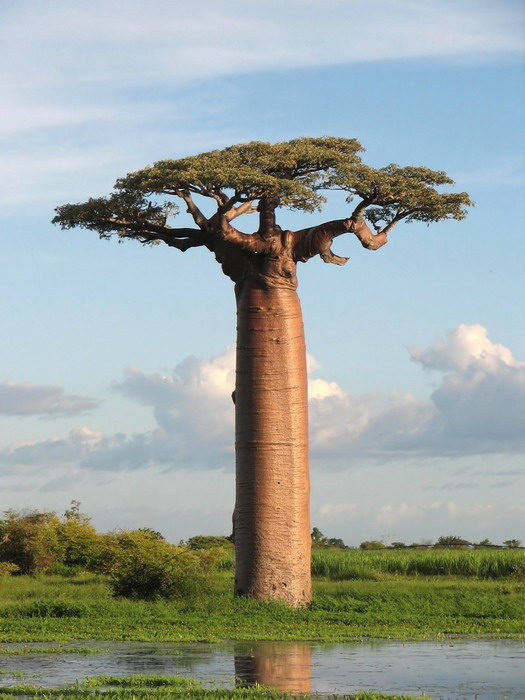
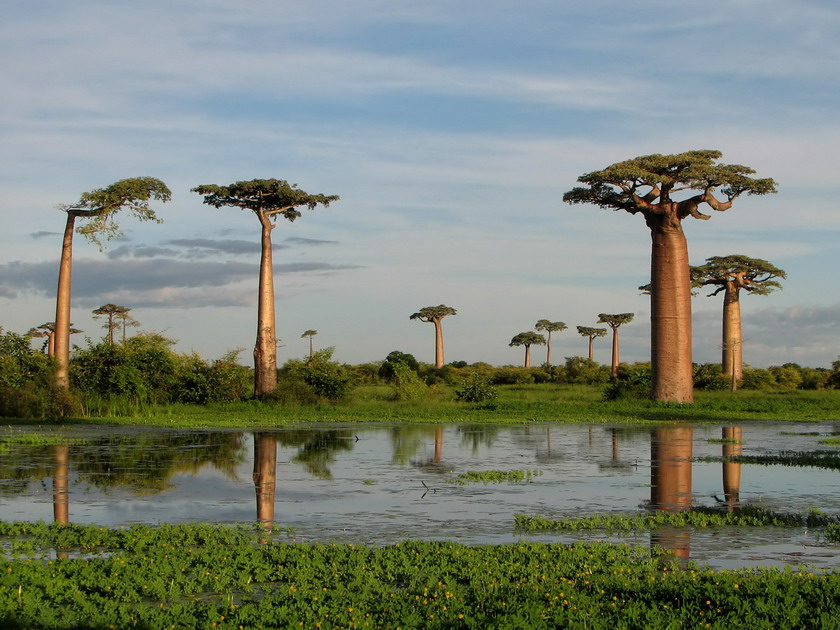
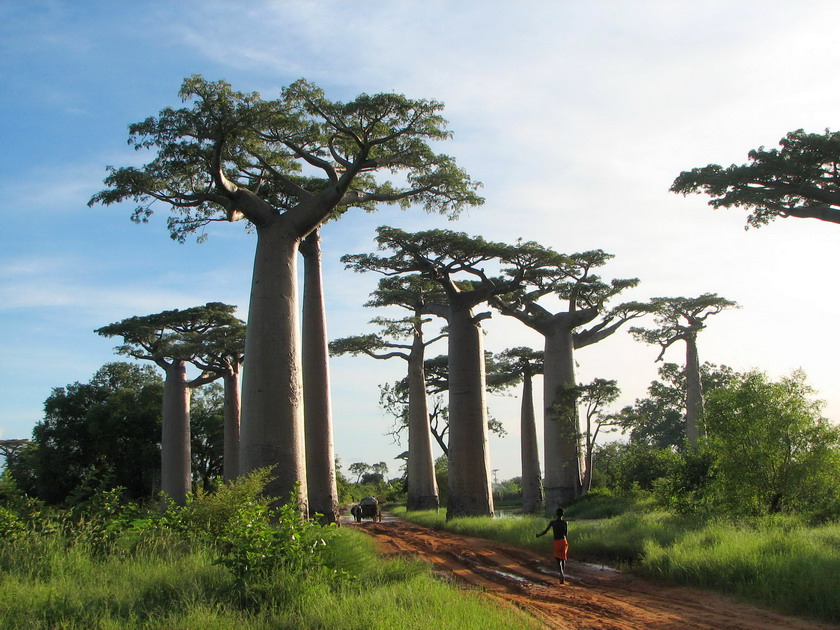
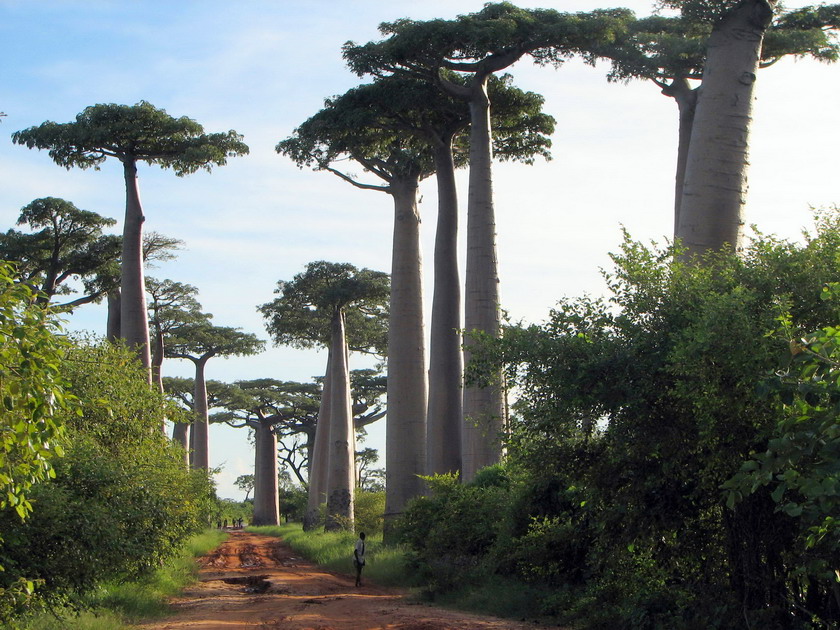
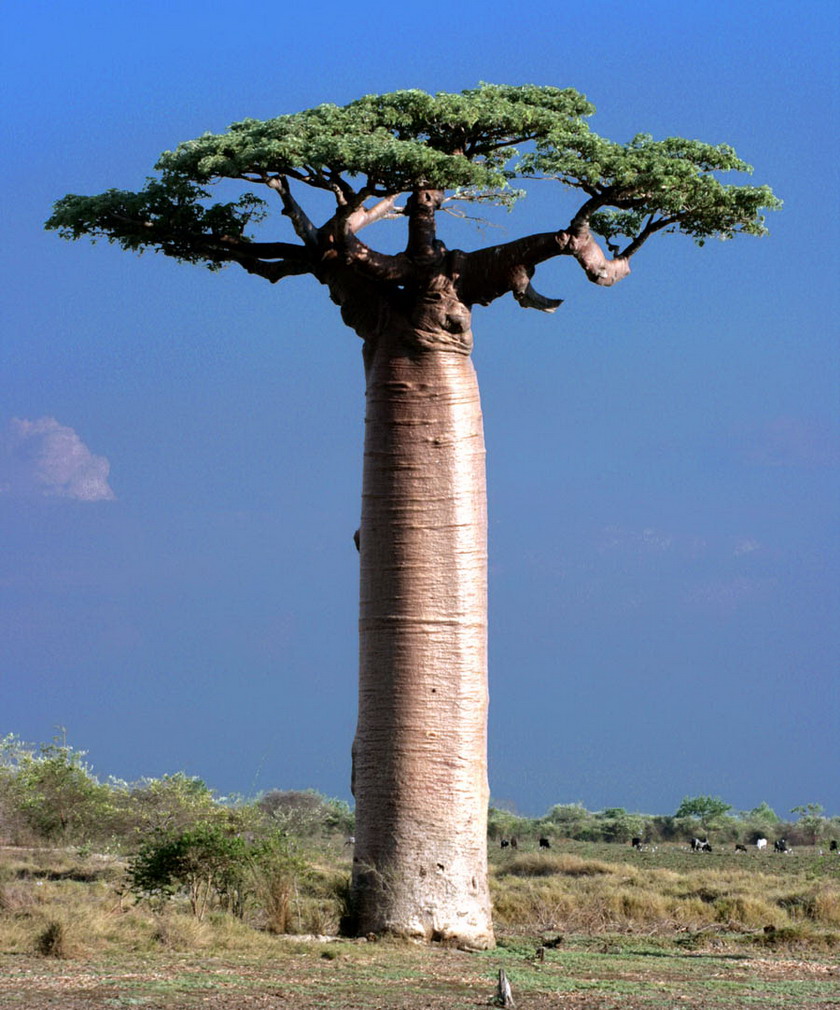
Avenue of the Baobabs Menabe, Madagascar


2
7
rating
- Views 5553
- Likes 154
Avenue of the Baobabs
 Location Menabe
 Country
  Madagascar
 Continent Africa
 Category Nature
 Date 2013-01-08
-
License: CC BY-SA 3.0
 This picture is licensed under CC BY-SA 3.0.Picture
Bernard Gagnon
This picture is licensed under CC BY-SA 3.0.Picture
Bernard Gagnon
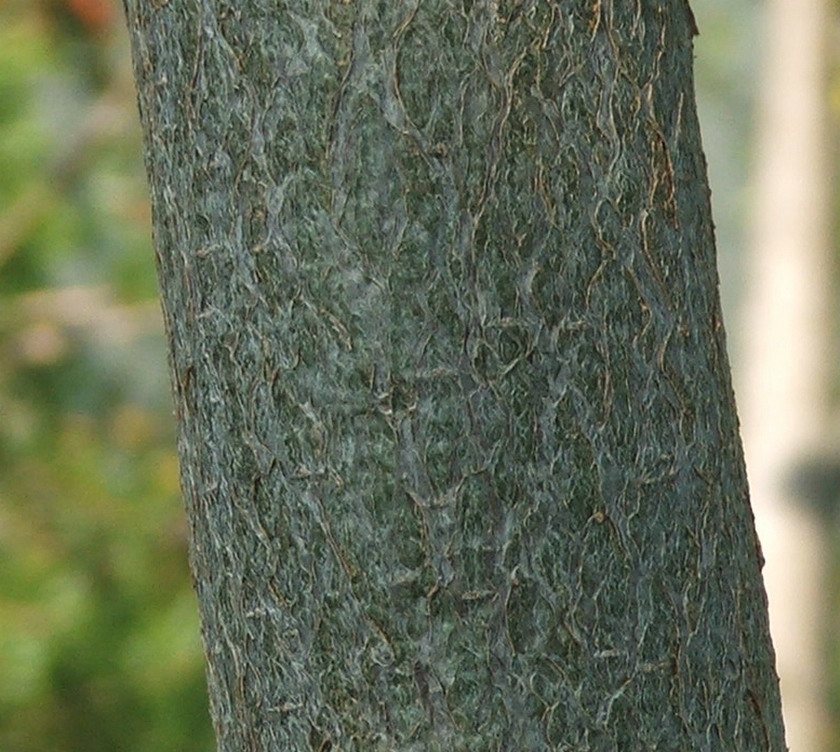
The Avenue or Alley of the Baobabs is a prominent group of baobab trees lining the dirt road between Morondava and Belon'i Tsiribihina in the Menabe region in western Madagascar. Its striking landscape draws travelers from around the world, making it one of the most visited locations in the region. It has been a center of local conservation efforts, and was granted temporary protected status in July 2007 by the Ministry of Environment, Water and Forests, the first step toward making it Madagascar's first natural monument.
Reviews (0)
- Easy to find 0
- Worth visiting 0
- Beauty 0
- Uniqueness 0
- Great time spent 0
Add to Trip
Avenue of the Baobabs is added to the following trips:
You can add this landmark to any of your active trips or you can create a new trip.
Who visited it?
- from United StatesAshley Jennings add it to visited list.
- from EgyptIgwe Alinco add it to visited list.
Who wants to visit it?
- from MexicoCrystal Garcia add it to want to visit list.
- Berte add it to want to visit list.
- from Plovdiv, BulgariaNina add it to want to visit list.
- from Sofia, BulgariaPetya Yaneva add it to want to visit list.
- from Haskovo, BulgariaNikola Petkov add it to want to visit list.
- from SwitzerlandJulia add it to want to visit list.
- from Plovdiv, BulgariaPetko Bakalov add it to want to visit list.
Tips for Trips
Top 10 Landmarks
Madagascar
Top 10 Legends of Landmarks
"To travel is to possess the world."
Burton Holmes


G u e s s G a m e s
Guess the landmarks, the countries, the continents and the capitals.
Share an interesting landmark that you have visited or want to visit.
Add comment